
The Future of British Horse Racing What Happens When It’s Not On

The Future of British Horse Racing: What Happens When It’s Not On?
British horse racing is a cherished tradition, deeply woven into the fabric of the UK’s culture. However, what happens when races are canceled, or the industry faces significant interruptions? Understanding the implications of British horse racing not being on sheds light on the ramifications for fans, bettors, and the broader racing community. In times like these, many turn to British horse racing not on GamStop horse betting not on GamStop options as they seek alternatives to enjoy the thrill of betting without interruption.
An Overview of British Horse Racing
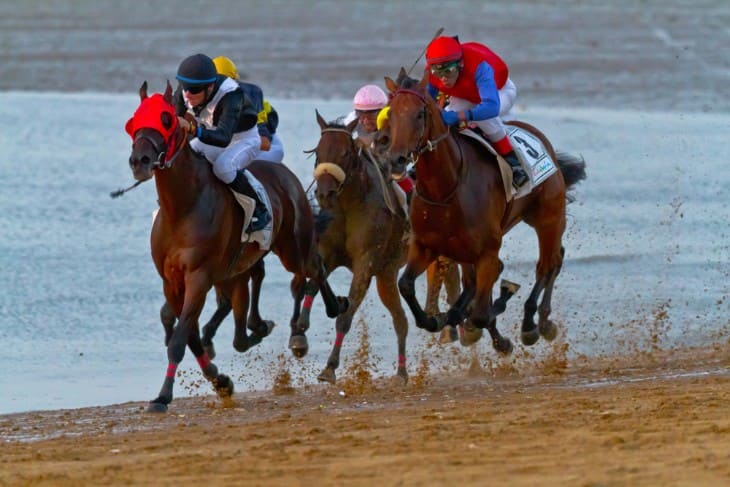
Horse racing has been a popular sport in the UK for centuries, with many famous races, such as the Derby and the Grand National, drawing large crowds and significant media attention. The British Horse Racing Authority (BHA) oversees the sport, ensuring fair play and the welfare of the horses involved. With over 60 racecourses across the country, racing is not only a profession but a way of life for countless individuals. The betting industry surrounding horse racing is also a vital component, contributing billions to the UK economy each year.
The Economic Impact of Racing Not On
When British horse racing is not on, the economic repercussions are immediate and significant. Racecourses rely on ticket sales, hospitality, and betting income for their survival. A substantial loss of income can lead to a cascade of problems—from the inability to maintain facilities and provide for staff, to a decline in horse breeding and training programs. Additionally, local economies that rely on race days for tourism and hospitality face challenges, leading to potential job losses and increased strain on local businesses.
Effects on Fans and Bettors
Fans of horse racing are often deeply passionate about the sport. For many, it’s more than just a pastime; it’s a part of their identity and social life. When racing events are not on, these fans face disappointment and a loss of community. The traditional gatherings at racecourses, pubs, or homes to watch races together are replaced with a void that could lead to loneliness and frustration.
Bettors experience a more pronounced impact when racing is not on. Betting on races provides excitement and potential financial gain, and when those opportunities disappear, many turn to less regulated or less popular alternatives. The shift to online betting platforms can foster a sense of isolation for some, as they miss the social aspect of placing bets with friends and family. This can lead to a rise in gambling-related issues, prompting concerns about responsible gambling practices in a time when fewer regulated options are available.
Alternative Entertainment Options
When British horse racing is not on, fans and bettors often seek alternative forms of entertainment. The rise of virtual racing has become increasingly popular, providing a digital simulation experience that mimics real-life racing. These races often feature computer-generated horses and outcomes, providing a substitute for traditional betting without the unpredictability of actual horse performance. While virtual racing allows bettors to indulge their passion, it lacks some of the emotional connections and drama that come with live events.
Many fans also turn to other sports as a means of filling the void. Sports such as football, rugby, or tennis might gain viewers who are typically dedicated to horse racing. This not only diversifies the interest of bettors but can enhance revenue for other sports as they attract new fans seeking entertainment during the absence of racing.
The Role of Technology
Technology has played a crucial role in the evolution of horse racing, and it could also be the key to overcoming challenges when racing is not on. For example, live-streaming services allow fans to stay connected with the racing world even if events are temporarily halted. Social media platforms have become vital spaces for fans to engage, share insights, and promote discussions around the sport. While technology cannot replace the experience of being at the track, it certainly helps maintain an active community around the sport, even during downtimes.
The Future of British Horse Racing
The future of British horse racing relies heavily on adaptability. The sport has faced challenges before, and each crisis presents an opportunity for rebirth and innovation. Strategies being discussed include improvements in health and safety protocols for horses, more robust financial planning for racecourses, and expanding the appeal of racing to new audiences.
Moreover, as bettors continue to explore options beyond regulated sites, the industry must prioritize responsible gambling practices to safeguard players. Ensuring that fans have access to information about safe betting and helping those in need can promote a healthier environment for all involved.
Conclusion
British horse racing not being on presents myriad challenges for fans, bettors, and the industry at large. Still, it also uncovers opportunities for growth, fan engagement, and innovation. The community that surrounds horse racing is passionate and resilient, and as the industry continues to evolve, it will be crucial for all involved to adapt, connect, and embrace the future of this beloved sport. The thrill of horse racing may momentarily wane, but the passion and commitment of its fans will keep it alive in spirit as we look forward to a time when the races are back on track.
